19 September 2026
Why Do People Keep Fat In Different Components Of Their Body?
Presented by @holdenahhy015
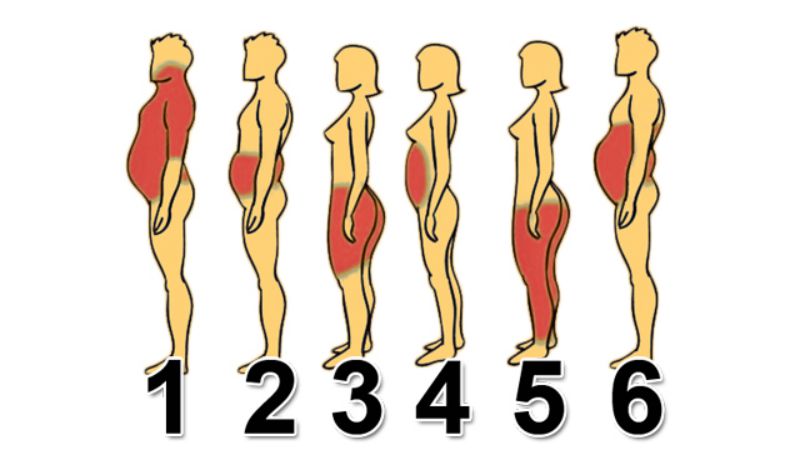
Why Does My Body Often Tend To Save Fat Largely In The Stomach Area? Ubie Doctor's Note Overindulging fast food, avoiding workout and consistently experiencing high levels of anxiety can bring about excess visceral fat. On the contrary, you can exercise healthy practices that keep fat from building up around organs. This includes working out for at https://lipo360.co.uk/ the very least 30 minutes on a daily basis, staying clear of sugary foods and hydrogenated fats, and discovering ways to maintain stress degrees under control. It is well developed that Eastern Oriental females often tend to build up less fat in their hips than their Hispanic and African counterparts. There is likewise local and ethnic heterogeneity in fat storage within the Asian population, such as different fat distribution patterns amongst South Asians and East Asians. Instead, obtain plenty of veggies, pick lean proteins, and stay away from fats from red meats. Select much healthier fats crazes like fish, nuts, and avocados. A health care expert and a registered dietitian might aid you create a lifestyle and dietary plan to manage your weight. Your ESR1, PPARG, and LEPR variants essentially set your fat cells to preferentially broaden in particular locations and respond in a different way to circulating hormonal agents. The same calorie excess will create various fat circulation patterns in various individuals based upon these genes. Your body isn't arbitrarily picking to store fat around your stomach. That's why some individuals can lug excess weight in their hips and upper legs while others collect everything centrally, also when they eat the exact same diet plan. Visceral fat is deep tummy fat that twists around your inner organs, such as your liver, pancreatic, and bowels. Considerable differences in abdominal fat storage space have been observed across racial and ethnic evaluations, although the differences are much less significant in men than females [5,6] Significantly, recent researches have shown the frequency of greater stomach fat in Eastern populaces [7-- 13] For instance, a big research study of European women ages 45 to 79 concluded that those with the most significant waistlines (and those with the largest waistlines in relation to their hip dimension) had greater than double the threat of establishing heart disease. This implies that after you shed fat, your muscles can be more visible and offer the appearance of a slimmer midsection. Among the biggest influencers of where we save our body fat is hormones. Your hormonal agent level suggests just how much fat you have and where it sits on your body. Getting a much better understanding of specific hormonal agents and just how they function can assist you determine what to do regarding your body fat. It builds up deep within the abdominal dental caries, where it can't be squeezed, but pushes the stubborn belly out.
Way Of Life Adjustments To Try
Natural fat makes cardiovascular disease and diabetes mellitus more probable. Consuming excessive is at least partly to blame for that excess weight. Also if you do not lose weight, you shed visceral stubborn belly fat and gain muscle mass. Participate in a minimum of thirty minutes of moderate-intensity task most days, such as brisk walking or cycling at an informal rate. Additionally develop chances to include activity to regular tasks.Factors You're Not Losing Tummy Fat
While some Eastern countries such as Japan and Korea are extremely uniform, others such as India and Malaysia display substantial diversity in their ethnic make-up. Although ethnic differences among Asians were thought about, variants in ethnic composition, in addition to local variants in stomach adiposity, within the Oriental countries discussed were not considered. Other socioeconomic aspects were not considered, yet the prevalence of stomach obesity appeared higher in metropolitan populations than in country populations. Numerous research studies have actually discovered a greater percent of stomach visceral fat in ladies of Asian heritage than in White ladies.Why do I keep so much fat around my waistline?
Several women observe an increase in tummy fat as they grow older also if they do not put on weight. This is likely due to a lower level of estrogen since estrogen appears to have an impact on where fat is found in the body. Genetics can contribute to an individual''s opportunities of being overweight or obese also.
- Talk with your doctor regarding just how to manage your anxiety.
- It manages cravings signals in your hypothalamus and determines your baseline hunger drive.
- Variables like stress, lack of rest, and unbalanced hormones can contribute to raised fat deposits in the stubborn belly location.
- Yet there are simpler means to get an idea of how much natural fat you have.
- If you poke your belly, the fat that feels soft is subcutaneous fat.